

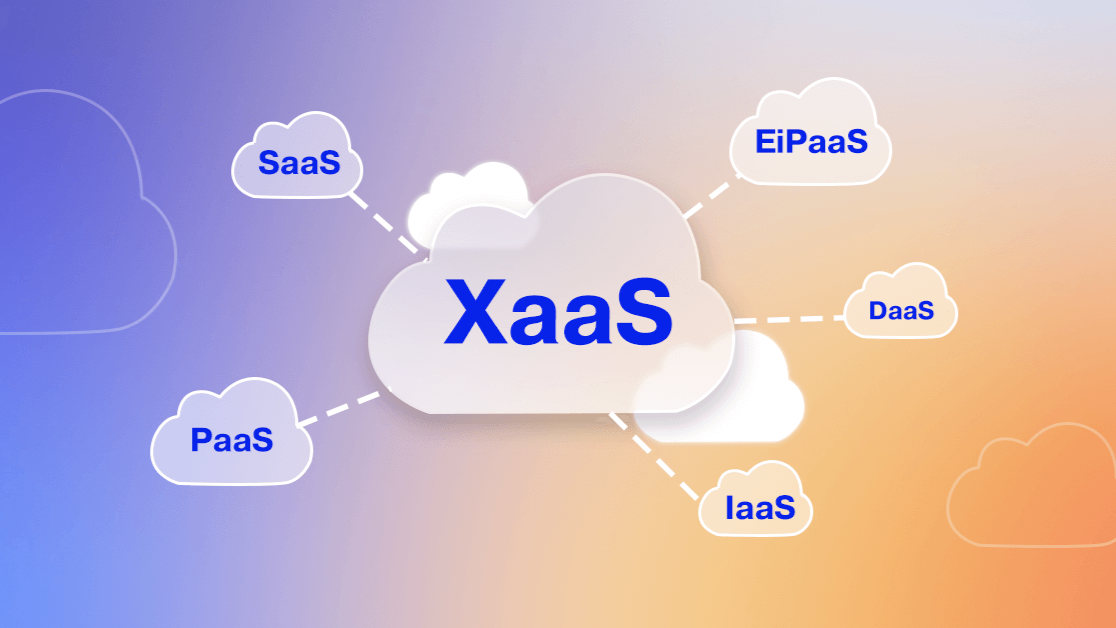
Everything-as-a-Service (XaaS): The New Business Model
What is XaaS?
XaaS is a collective term for the vast number of services and applications delivered over the internet. Instead of buying or managing tech assets in-house, companies subscribe to services on-demand—reducing upfront costs and improving flexibility.
Key Types of XaaS:
-
SaaS (Software-as-a-Service) – Think Salesforce, Google Workspace, Zoom
- PaaS (Platform-as-a-Service) – AWS Elastic Beanstalk, Heroku, Microsoft Azure
- IaaS (Infrastructure-as-a-Service) – AWS EC2, Google Cloud, Azure VM
- DaaS (Desktop-as-a-Service) – Virtual desktop delivery through the cloud
- STaaS (Storage-as-a-Service) – Cloud storage solutions like Dropbox or iCloud
- AIaaS (AI-as-a-Service) – Pre-built AI services like OpenAI APIs, Azure Cognitive Services
- Anything-as-a-Service – Managed services for security, monitoring, analytics, DevOps, etc.
Why is XaaS Gaining Popularity?
- Cost-Effective No more heavy CAPEX—just OPEX-based subscriptions.
- Scalability Easily scale services up or down as needs change.
- Faster Innovation Deploy services quickly without long setup times.
- Focus on Core Business Outsource IT complexity and focus on strategic goals.
- Remote-Friendly Services can be accessed from anywhere, supporting hybrid work models.
Real-World Impact
- Startups can launch MVPs without investing in costly infrastructure.
- Enterprises can scale global operations using cloud-based platforms.
- SMBs can access high-end technology once reserved for large corporations.
Challenges to Watch For
- Vendor Lock-in
- Security & Compliance concerns
- Service Reliability & Downtime
Selecting the right provider and setting up robust governance is key to success.
Final Thoughts
The future is service-driven. With XaaS, organizations gain the agility to adapt, the tools to innovate faster, and the freedom to focus on what matters most.
As technology continues to evolve, embracing Everything-as-a-Service isn't just an option—it’s becoming a strategic necessity.